
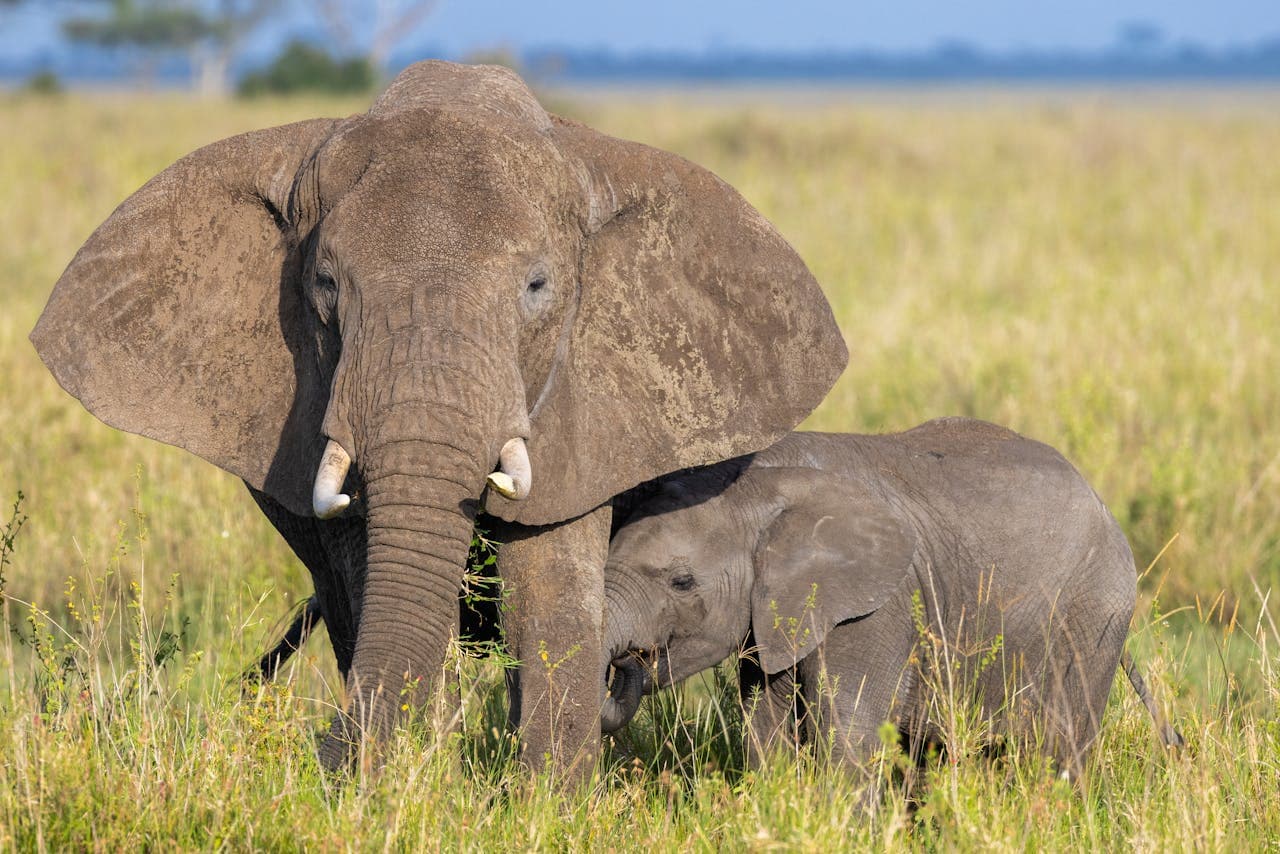
AI vision for wildlife monitoring, conservation, and protection.
Built on a decade of laboratory animal behavioral science, ConductVision can transform camera trap footage, drone surveys, and fixed installations into species counts, population estimates, activity patterns, and human intrusion alerts — supporting conservation missions at any scale.
From Lab to Wild - Research-grade animal detection, deployed where it matters most.
ConductScience has spent over ten years building AI systems that identify, track, and score animal behavior with scientific precision. ConductVision extends that capability to conservation — where accurate species identification, reliable population counting, and early threat detection can directly protect endangered wildlife and the ecosystems they depend on.
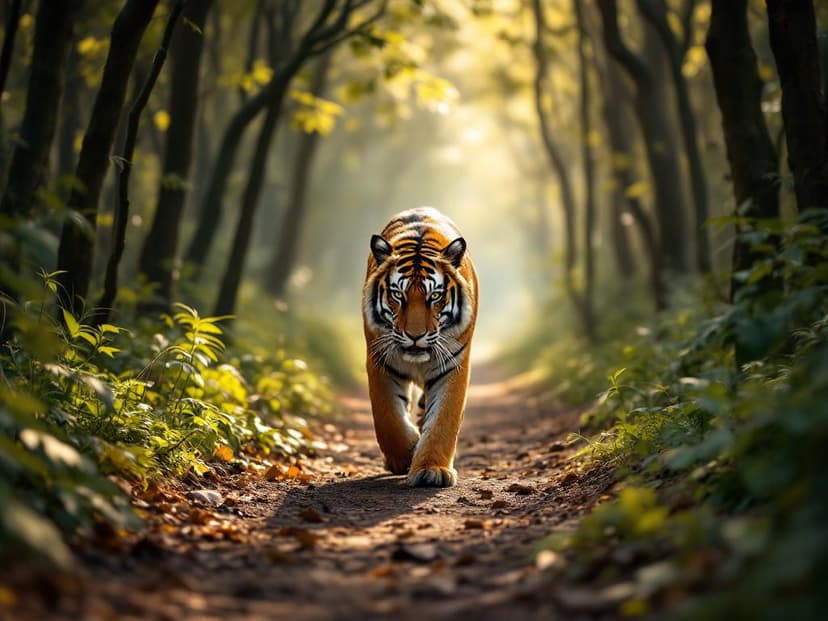
Species Identification at Scale
Classify species from camera trap images and video across diverse habitats — from forest canopy to open savanna to marine environments.
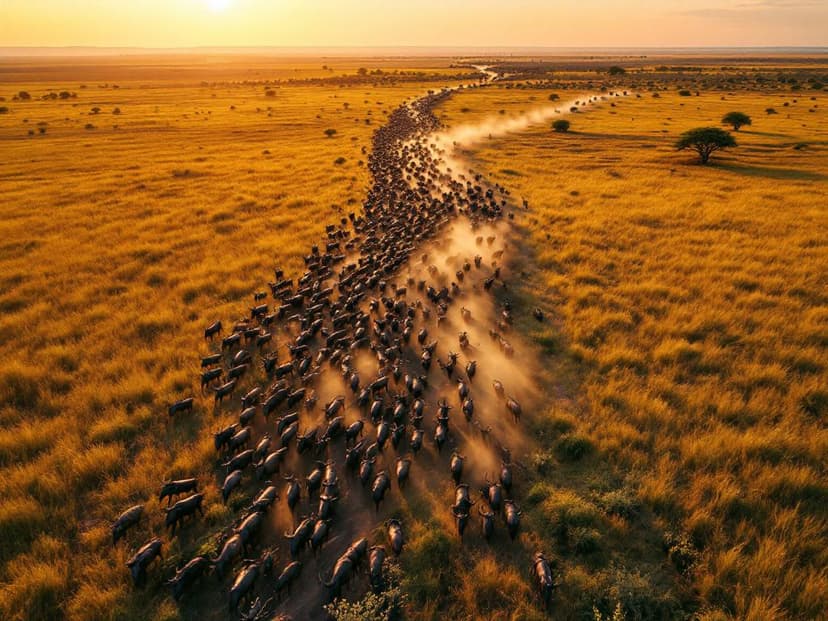
Population Monitoring
Estimate population size, track individual re-identification, and measure demographic trends without invasive tagging or capture.

Threat Detection
Detect human intrusion, vehicle activity, and poaching indicators in protected areas with real-time alerting capability.
Conservation Metrics - Turning raw footage into actionable conservation intelligence.
ConductVision can process thousands of camera trap images, drone frames, and fixed-camera feeds to extract the metrics conservation teams need — from species presence to population trends to threat indicators.
Multi-species classification across mammals, birds, reptiles, and marine life
Individual re-identification using natural markings (stripes, spots, scars, fin shapes)
Population estimation with confidence intervals from camera trap and survey data
Activity pattern analysis (diurnal cycles, seasonal movement, corridor usage)
Human intrusion and vehicle detection with real-time alert capability
Habitat usage mapping and wildlife corridor occupancy tracking
Use Cases - Designed for conservation teams protecting wildlife worldwide.
Different ecosystems and missions demand different capabilities.
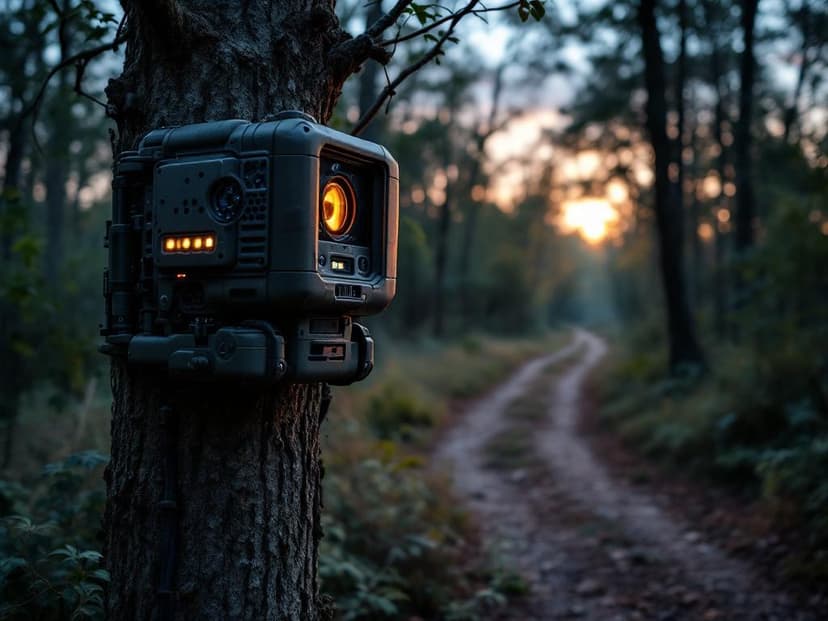
Protected Area Monitoring
- Automated camera trap analysis replacing manual image review of thousands of photos
- Species diversity indices and occupancy modeling from continuous monitoring
- Poaching threat detection with real-time alerts to ranger teams
- Long-term population trend tracking for management reporting and grant documentation
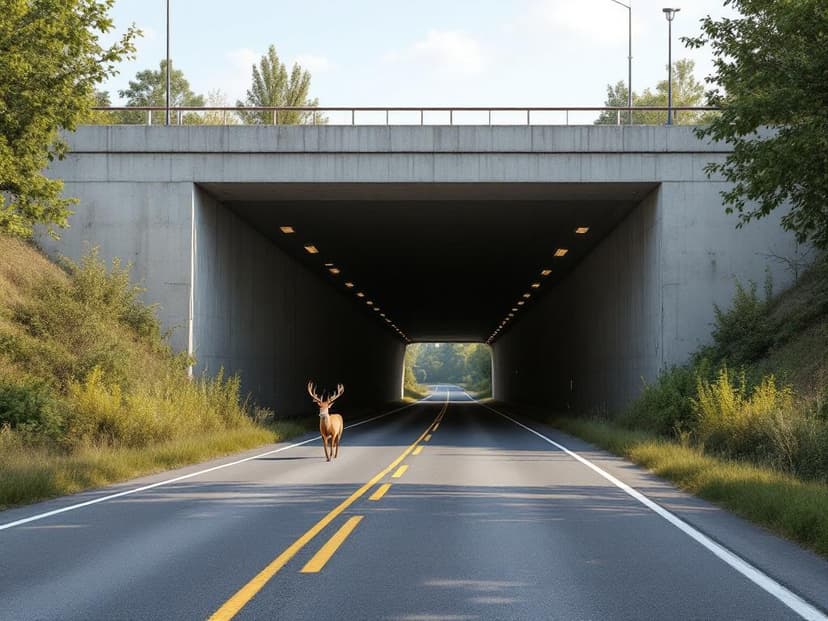
Wildlife Corridor and Migration Studies
- Corridor usage quantification for infrastructure planning and mitigation
- Migration timing and volume estimation from fixed camera networks
- Species-specific crossing pattern analysis at road and rail interfaces
- Seasonal activity mapping to inform land-use and conservation planning
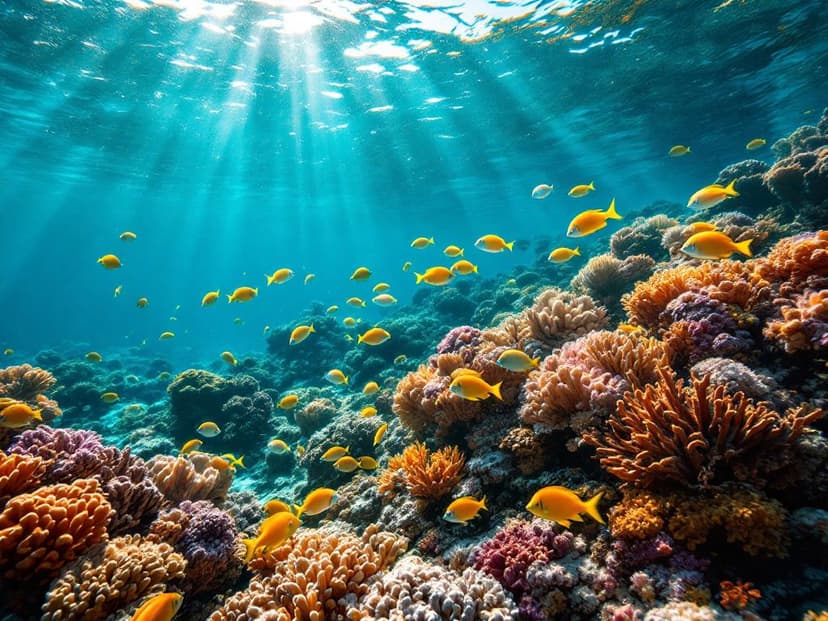
Marine and Coastal Conservation
- Marine mammal detection and identification from surface and underwater cameras
- Seabird colony monitoring and population counting from drone surveys
- Vessel and human activity detection in marine protected areas
- Nesting site monitoring with disturbance alerting for sensitive species
How it works - From camera trap to conservation insight.
Deploy cameras
Use camera traps, fixed installations, drone surveys, or underwater cameras. ConductVision works with standard imaging hardware already used in conservation.
Configure species and metrics
Define target species, region-specific models, alert thresholds for human intrusion, and the conservation metrics your team needs.
Automated processing
ConductVision classifies species, counts individuals, detects threats, and extracts activity patterns from incoming imagery — continuously or in batch.
Act and report
Dashboards deliver population trends, threat alerts, and activity maps. Export data for grant reports, management plans, and scientific publications.
Why ConductVision - Conservation needs science, not just detection.
- A decade of animal behavior science. ConductScience has built AI systems that understand animal behavior — not just detect objects. That behavioral foundation makes our wildlife models more ecologically meaningful.
- Built for conservation-scale data. Process thousands of camera trap images, hours of drone footage, and continuous fixed-camera feeds without manual review bottlenecks.
- Privacy-first, field-deployable. Supports offline and on-premise processing for remote field stations. No dependency on continuous internet connectivity.
Outputs - Data that drives conservation decisions and funding.
Converts raw field imagery into structured conservation intelligence — from species inventories to population models to threat assessments — in formats that serve both field teams and institutional stakeholders.
- Species detection logs with confidence scores and image evidence
- Population estimates with temporal trends and confidence intervals
- Individual re-identification galleries for mark-recapture studies
- Activity pattern heatmaps and corridor usage reports
- Human intrusion and threat alert logs with timestamp and location
- Grant-ready data exports and publication-quality summary statistics
Deployment - Field-ready for remote and challenging environments.
Designed for conservation realities — intermittent connectivity, harsh weather, remote locations, and diverse camera hardware. ConductVision can be deployed at a single site or scaled across a national monitoring network.
Site assessment and camera network evaluation
Species model configuration for your region and target taxa
Baseline calibration with local imagery and known populations
Field team training on dashboards, alerts, and data export
Ongoing model refinement as new species and conditions are encountered
Our Commitment - We Measure Wildlife the Way Scientists Do. Because Conservation Demands It.
ConductVision was born in the research lab, where every detection must be defensible and every count must be reproducible. We bring that same scientific standard to conservation — because the species depending on accurate monitoring deserve nothing less. Our technology is a tool in service of the conservation mission, not a replacement for the expertise of the people leading it.
FAQ - Questions we hear from Wildlife Conservation teams
Can't find the answer you're looking for? Reach out to our support team.
Our platform is designed to classify a broad range of terrestrial and marine species — from large mammals (elephants, big cats, deer, primates) to birds, reptiles, and marine mammals. Species-specific models can be trained or fine-tuned for your region and target taxa.
Yes. ConductVision processes standard image and video formats from any camera trap brand. There is no requirement for proprietary hardware — your existing camera network can serve as the data source.
For species with distinctive natural markings — such as stripes, spots, scars, or fin shapes — ConductVision can perform individual re-identification to support mark-recapture population estimation and longitudinal tracking.
ConductVision supports offline and on-premise processing. Camera trap data can be processed locally at field stations and synced when connectivity is available. The system does not require continuous internet access.
ConductVision can detect human presence, vehicles, and unusual activity patterns in protected areas from camera footage. Real-time alerting is available for fixed installations with connectivity. It is designed as a monitoring tool that supports ranger response — not a standalone security system.
Start with a conversation about your conservation mission — target species, monitoring area, existing camera infrastructure, and goals. We will assess feasibility, discuss what is measurable, and design a pilot for one site or species.
Still have questions? We are happy to talk it through.
Ready to bring AI-powered monitoring to your conservation mission?
Tell us about your species, your sites, and your goals. ConductVision is built on a decade of animal behavior science — let us put that precision in service of the wildlife you are working to protect.
Ready to explore what AI vision can do for you?
Contact us
- Headquarters
ConductScience Inc.
5250 Old Orchard Rd Suite 300
Skokie, IL 60077
+1 (847) 983-3672 - Sales & Support
info@conductscience.com
Mon – Fri, 9 AM – 5 PM EST