
ConductVision Textile - Understand your fabric data.
See where defects appear, how they affect a roll’s score, and what to review before deciding the grade.
Explore the example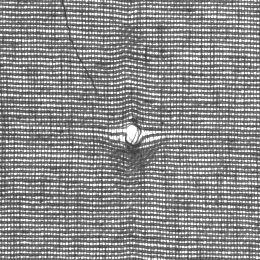
Illustrative example
One inspection, explained.
100 m of fabric inspected at a cuttable width of 1.5 m.
Find the pattern
10 of 20
defects lie between 60 and 80 metres.
Half the defects fall between 60 and 80 metres. Start the review there, then use each saved image to check what happened.
Example data for learning: the inspection and forecast ranges are illustrative. The buyer’s limit is set for this example.
What the numbers mean.
Each measure answers a different question. Read them together to understand the fabric and choose the next check.
- Defect count
- How many problems were found? In the example, the inspector confirms 20 defects. A count does not tell you how large or severe each defect is.
- Counted points
- How much do those defects contribute to the grade? The example totals 30 points after applying the grading rules. A larger defect can carry more points than a small one.
- Inspected area
- How much fabric was checked? Length times cuttable width gives 150 square metres. Use the inspected length, not the full roll length, while a roll is still being checked.
- Points per 100 m²
- How do rolls compare? The example has 20 points for every 100 square metres inspected. Twice as much fabric with twice as many points has the same score.
- Buyer limit
- What score is acceptable for this order? The example limit is 40 points per 100 square metres. Agree the unit, rules and limit with the buyer before grading.
- Forecast range
- Where might the final score land? A range shows uncertainty about the rest of the roll. If it crosses the buyer’s limit, review the fabric before deciding the grade.
Which defects need attention?
In this example, loose threads and holes each contribute eight points. The map shows where to look; the images help the inspector check the cause.
| Defect type | Defects | Points |
|---|---|---|
| Loose thread | 8 | 8 |
| Hole | 4 | 8 |
| Yarn buildup | 2 | 2 |
| Loop | 2 | 2 |
| Weave distortion | 3 | 6 |
| Cross-fabric line | 1 | 4 |
| Total | 20 | 30 |
These points belong to the individual example defects. A defect type does not have a fixed point value.
Recognize the finding.
Real fabric images show the kinds of defects an inspector can review. These photographs illustrate the types in the example.
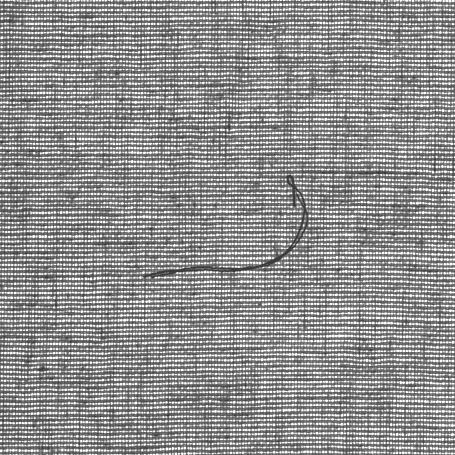
Loose thread
A strand lies over the weave.
Hole
An opening interrupts the fabric.
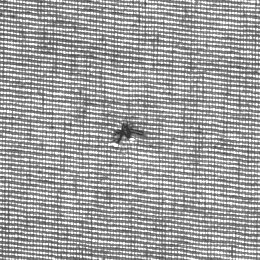
Yarn buildup
Extra yarn forms a thick spot.
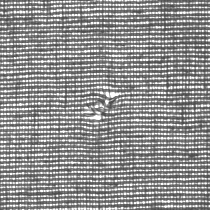
Loop
A yarn loop stands away from the surface.
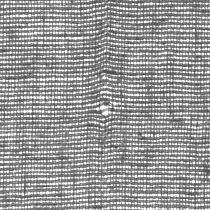
Weave distortion
The regular weave is disrupted.
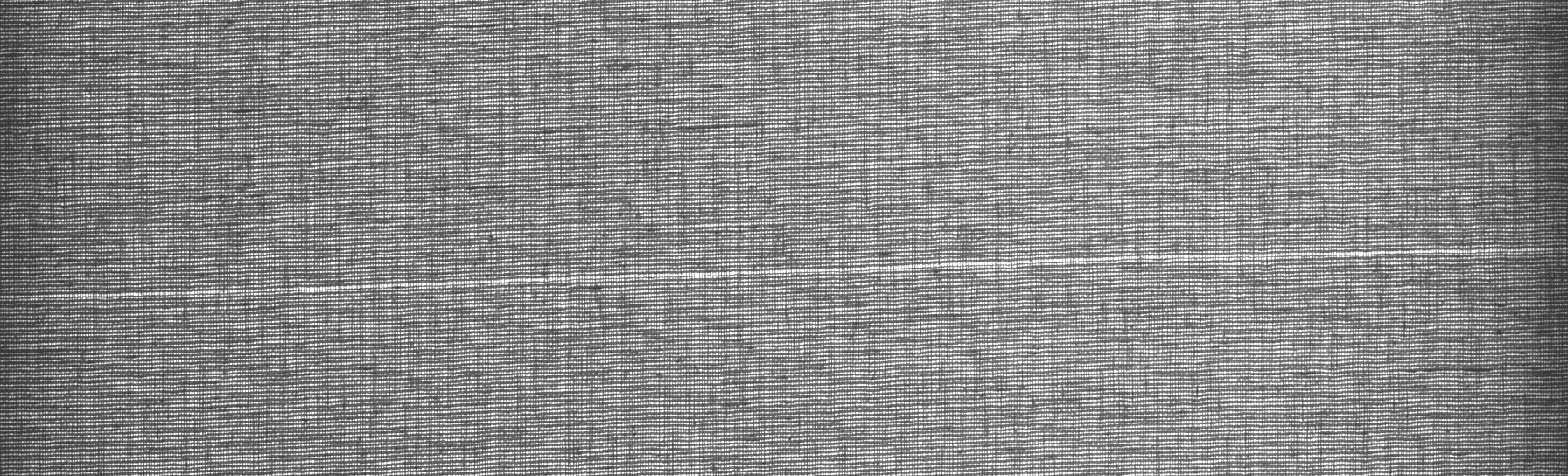
Cross-fabric line
A visible band runs across the fabric.
Fabric images: Rubén Pérez-Llorens, Teresa Albero-Albero and Javier Silvestre-Blanes, RAW-FABRID V1, CC BY 4.0. Cropped for detail.
Bring your fabric and grading rules.
ConductVision Textile connects each finding to its image, size and position, counts the roll’s points, and forecasts its final score for your team to review.
Plan a pilot