
Smart city - Computer vision for smart cities
Crash reports cover the days someone was hurt. In a pilot, ConductVision can measure the other days on your camera system: who uses the street, how fast they move and where they nearly collide.
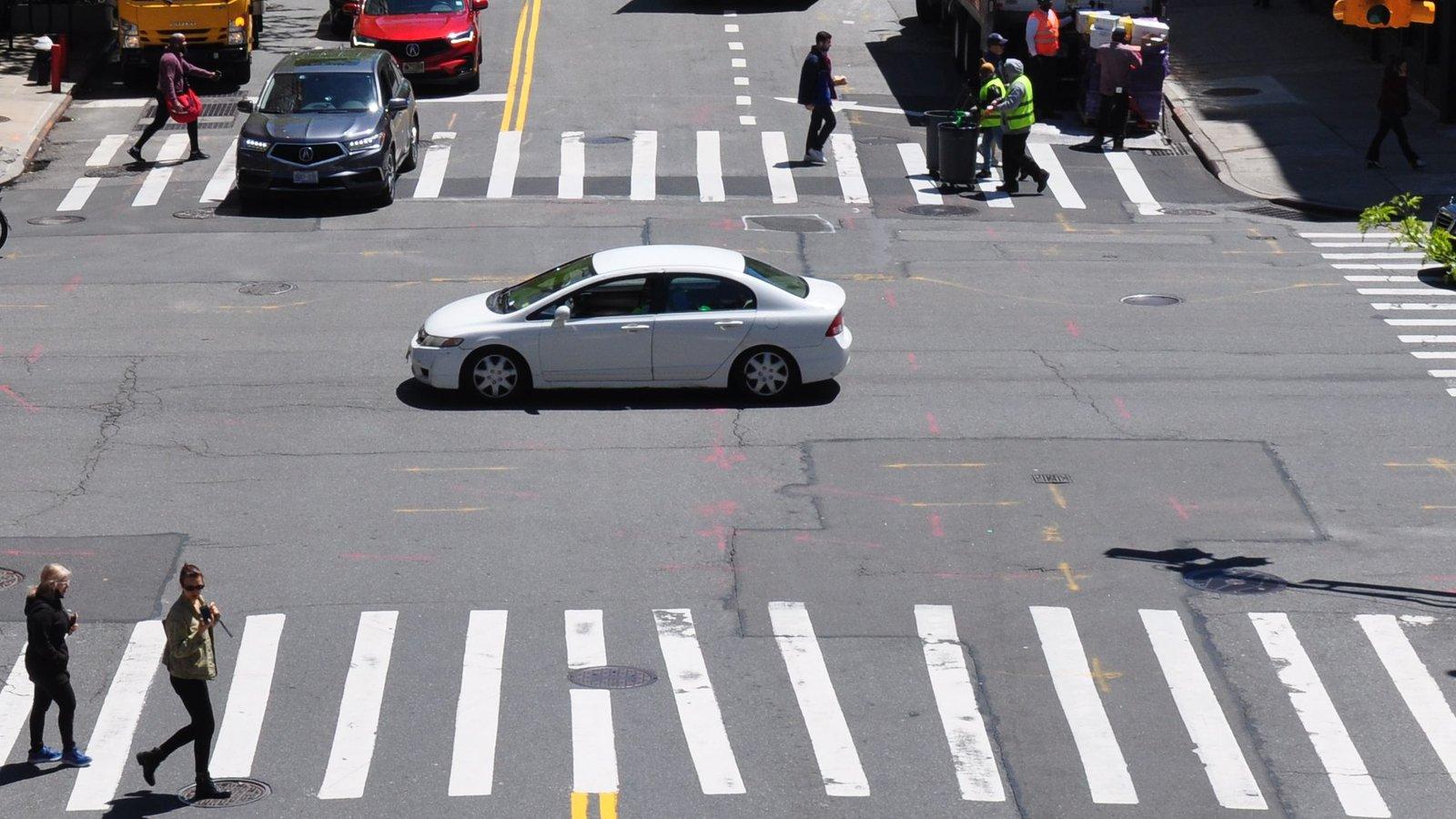
ConductVision Traffic
ConductVision Traffic is our product for roads and streets. It counts people, bicycles and vehicles across lines your team draws. It flags possible conflicts between vehicles and people, and riders at stops who may use a mobility device, for your team to review. The video stays at your site.
See ConductVision TrafficStreet safety
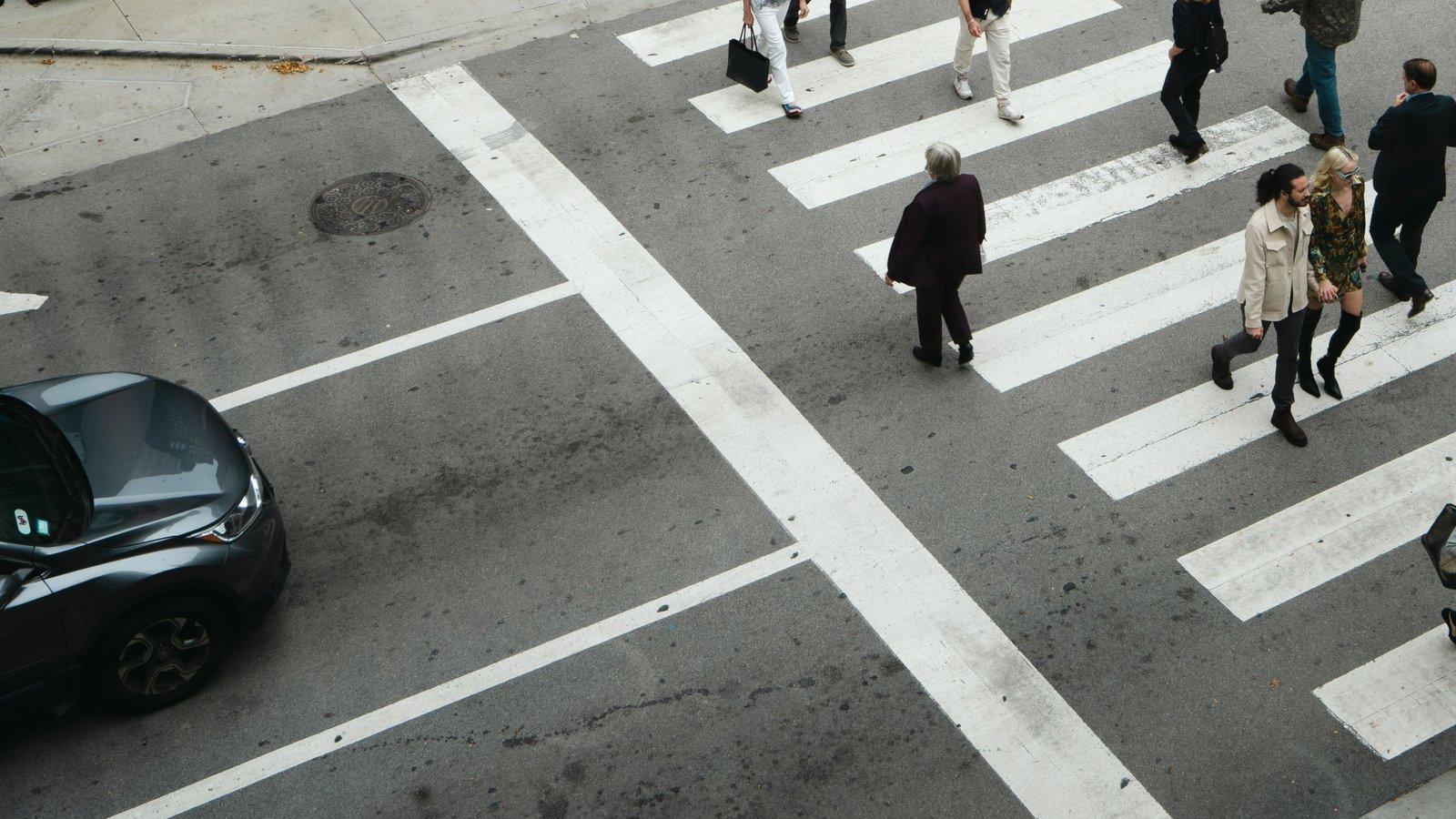
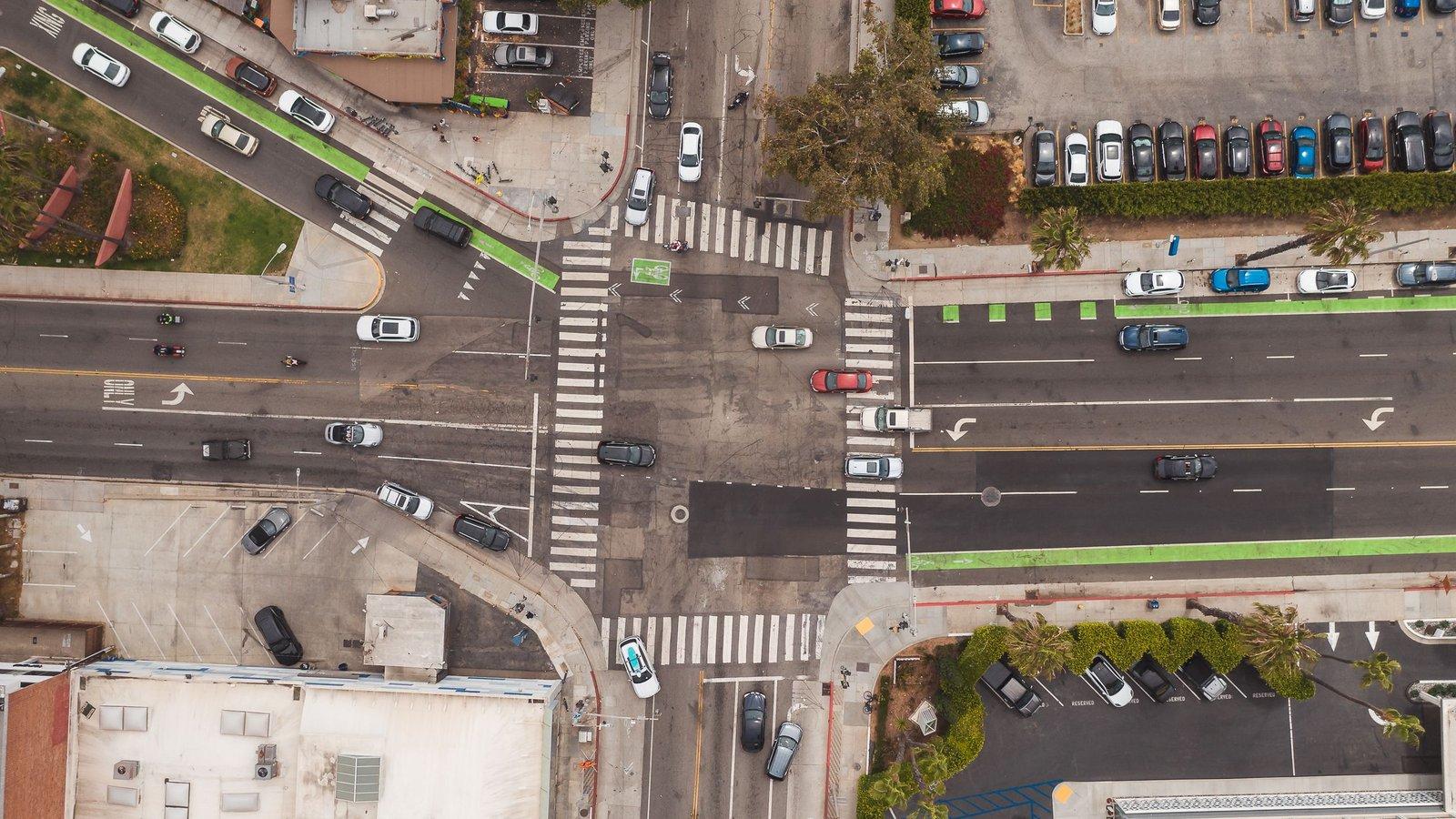
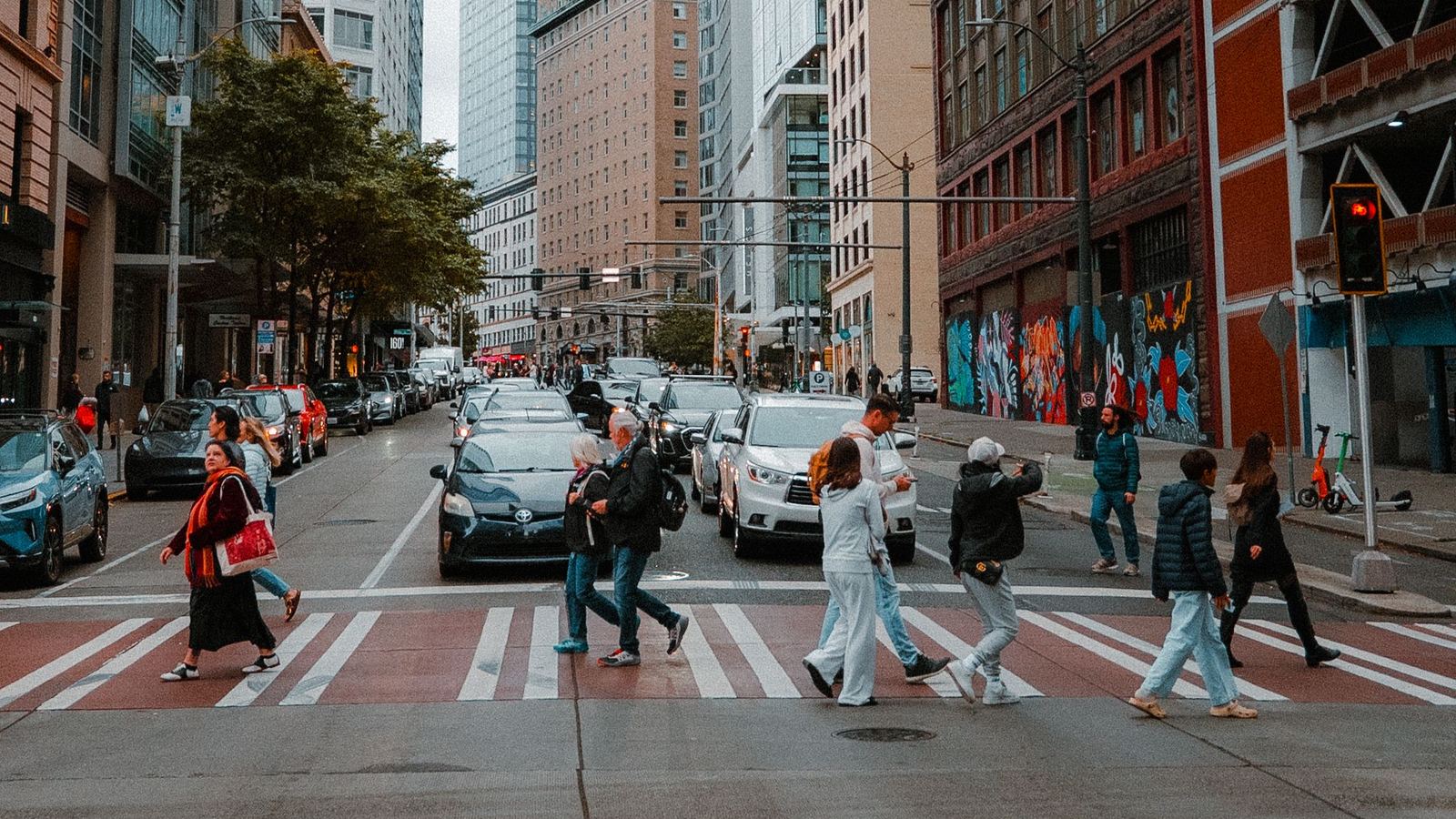
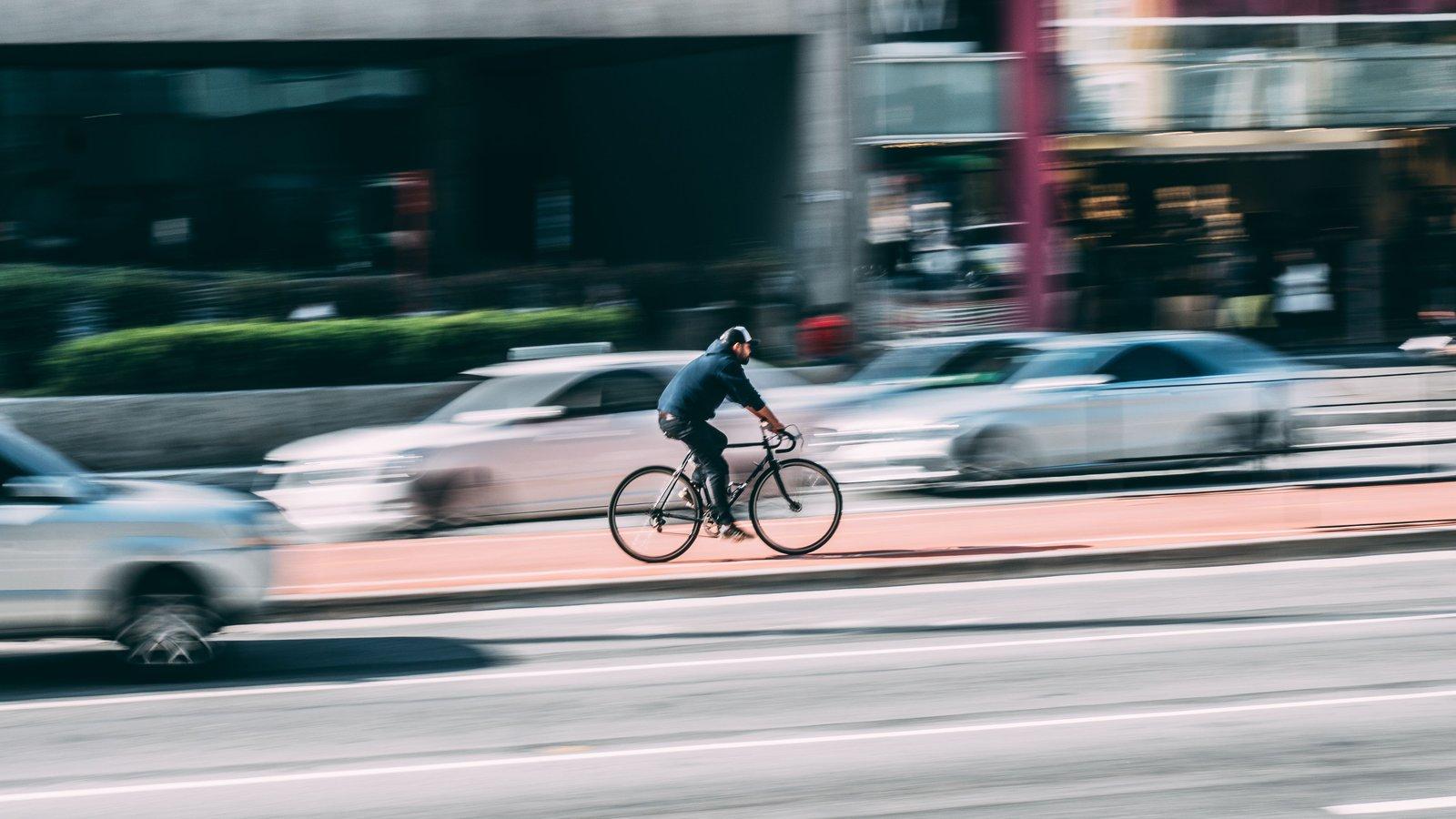
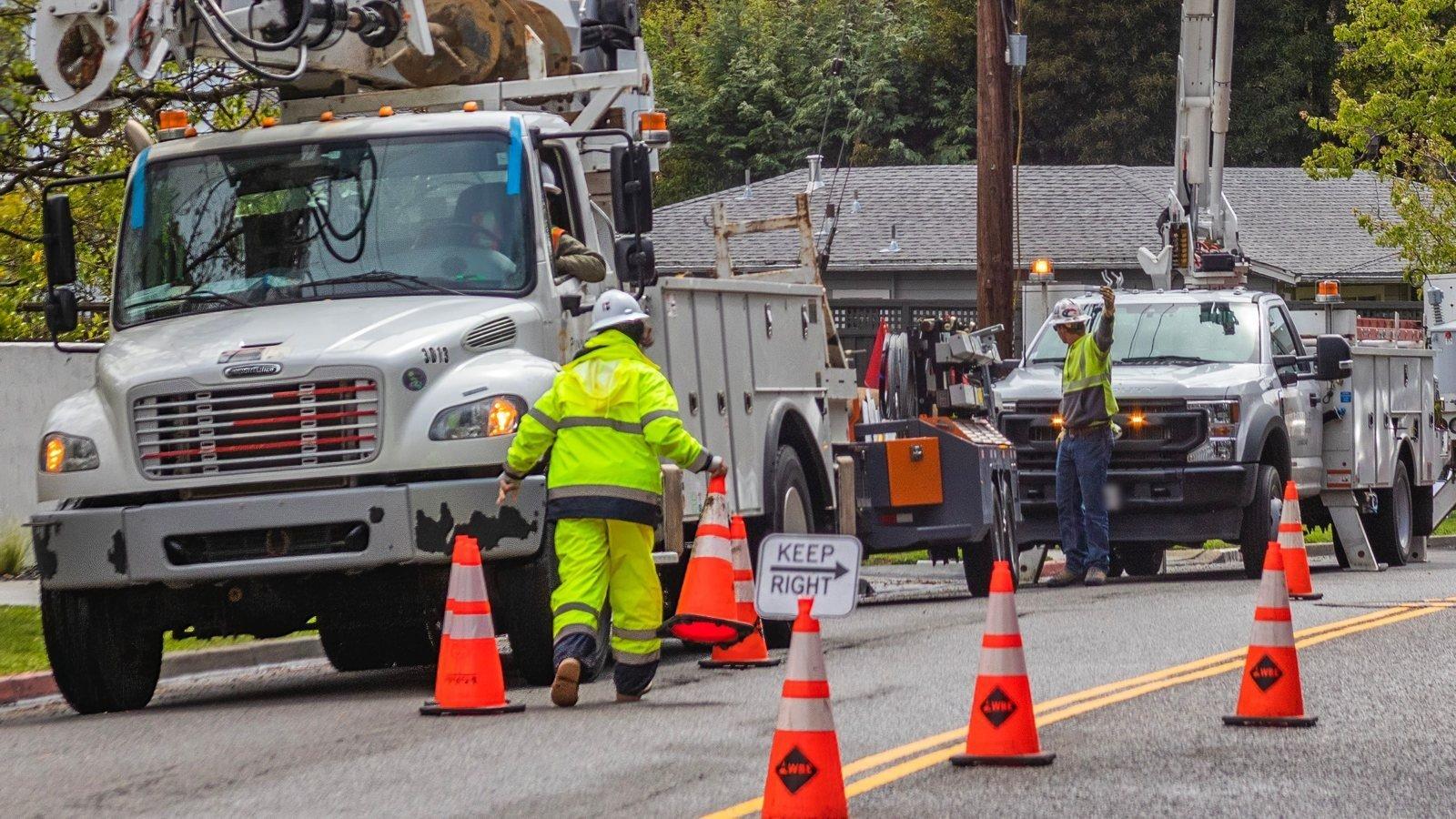
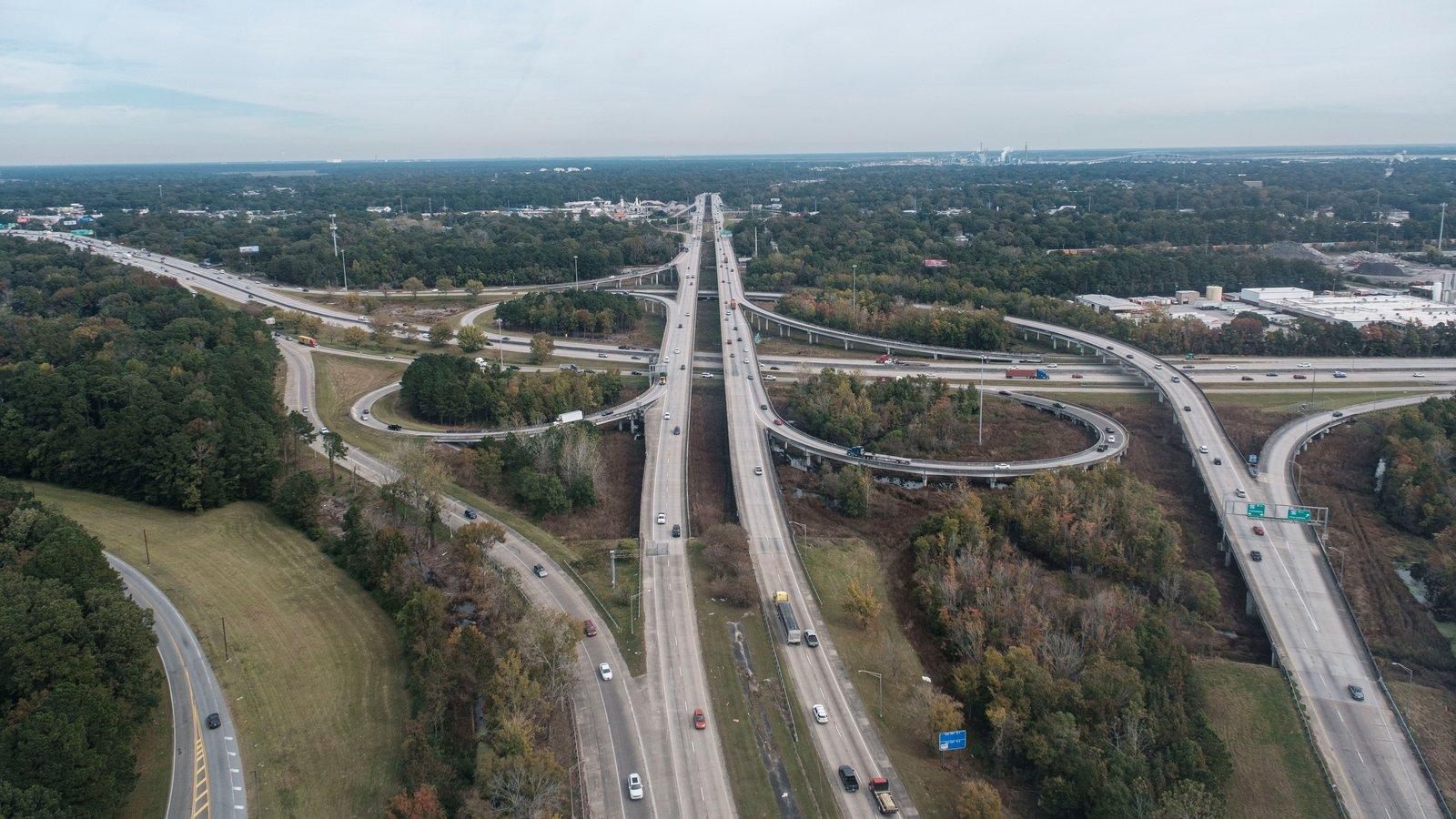
Programs, studies and traffic data
Curbs, transit and public space
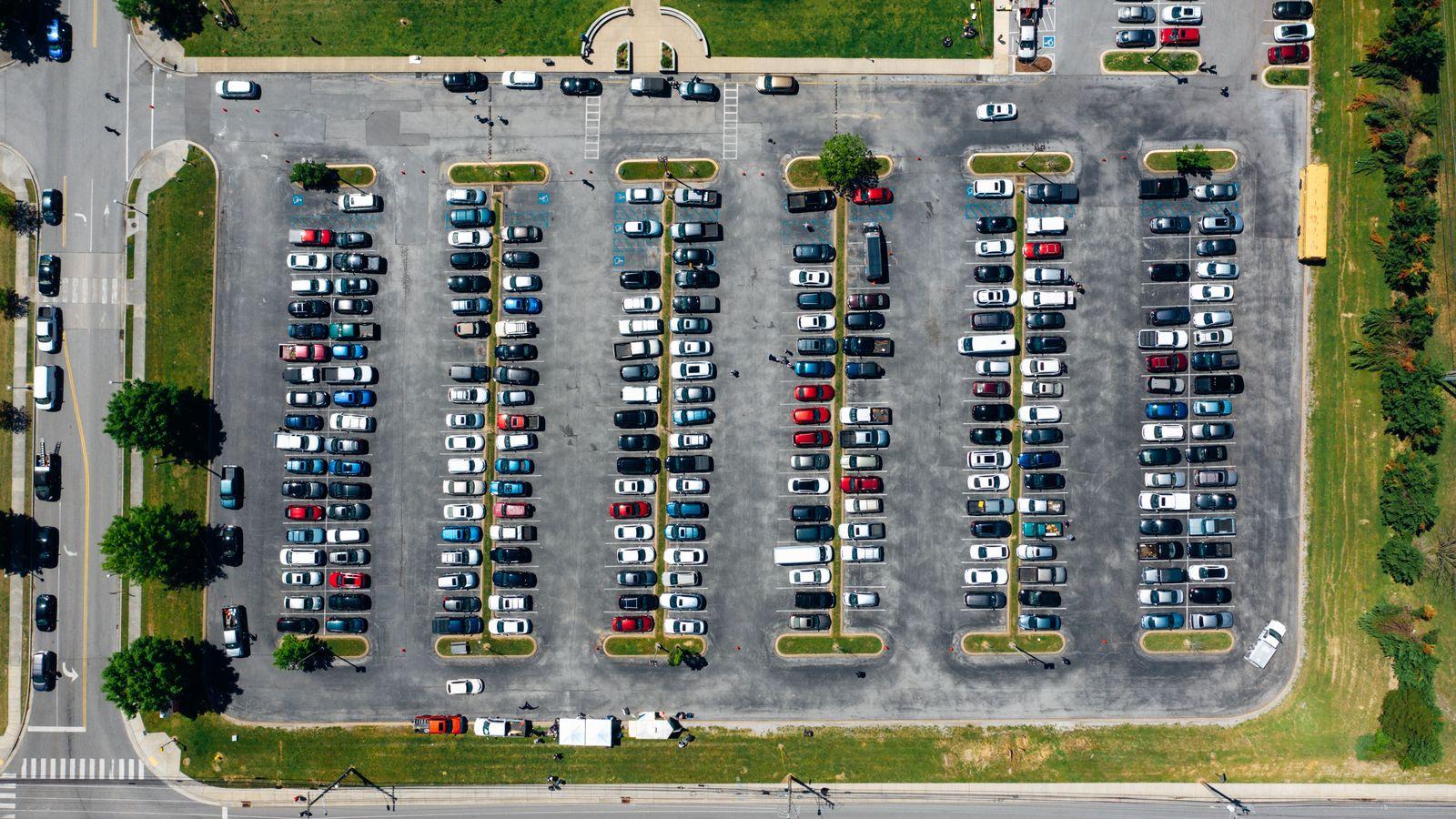
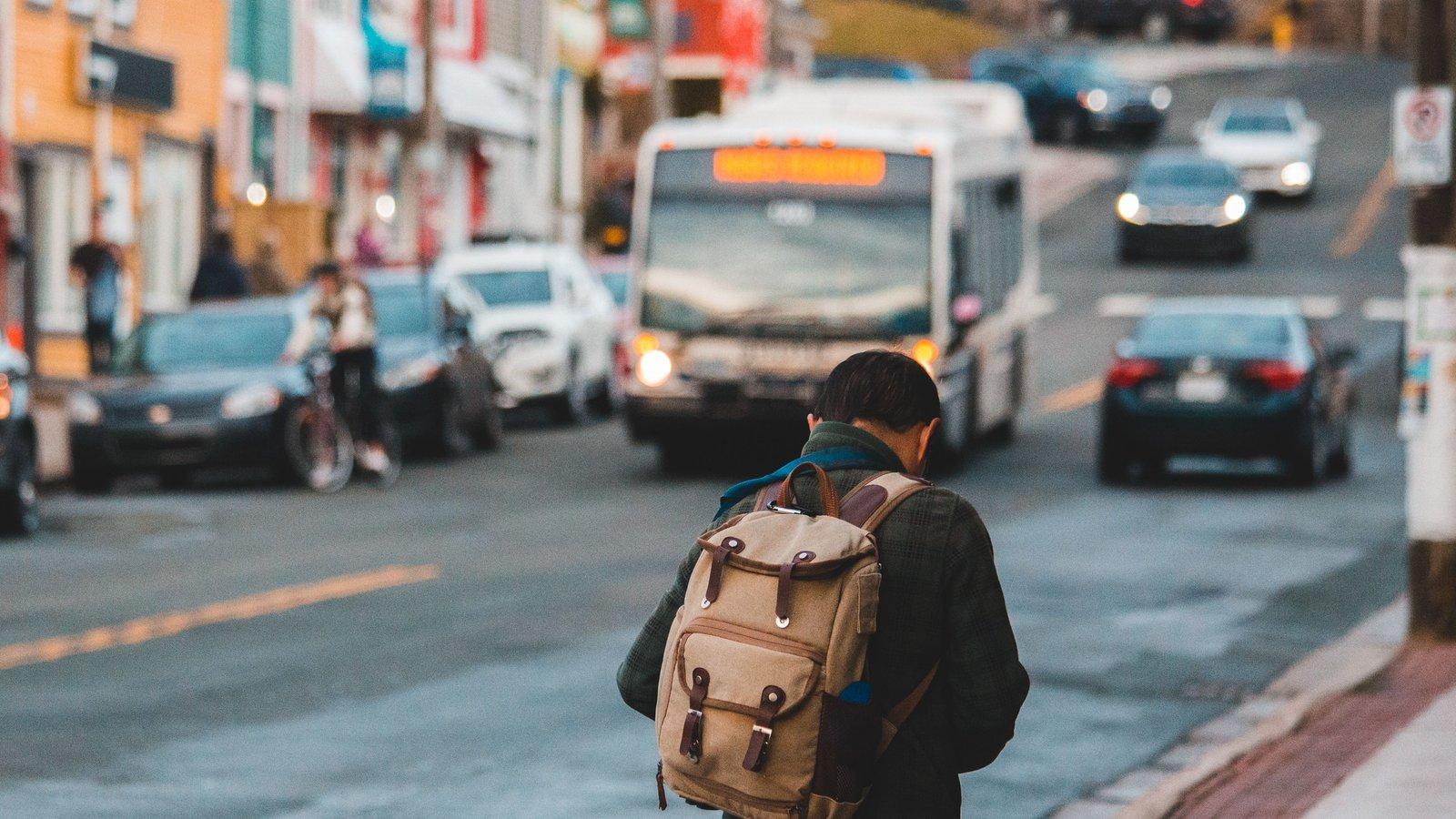

Your video and your residents
Your cameras
ConductVision works with the camera system you already run. We do not install cameras. A first look at your footage shows whether the camera views will work.
Your network
ConductVision runs on a computer at your site. Full recordings never leave your network, and short clips leave it only as your statement of work sets out.
People on your streets
Street pilots count and measure road users. They do not recognize faces or read license plates. Faces can be blurred, or people shown as simple figures, when your policy calls for it.
Privacy and public cameras
What happens to street video, and what ConductVision does not do with it.
Questions from cities
Does this replace our crash data?
No. Near misses add to your crash records. They do not replace them. A flagged near miss is a reason to look at a location. It is not a prediction of crashes.
Does it issue tickets?
No. ConductVision does not warn drivers or people crossing, control signals or issue tickets.
Does it work at night?
Night results depend on the camera and the lighting, so the first look includes night footage from each camera. The report states the hours it covers.
Our cameras show live video only. Can we start?
A first look needs recorded video. If your cameras do not record, your team would need to record a sample first.
Who runs it?
The scientists who build ConductVision connect it and run the pilot with your team.
Pilot - How a pilot starts
A paid pilot covers one intersection or one corridor. We look at footage you choose to share with us and agree with your team on what to watch for. A first look at your footage shows whether the camera views will work. Your team sets the criteria before any results come in. You decide whether to roll out, change the scope or stop.
- You bring
- Recorded video from the cameras at one intersection or corridor, and what you want to learn.
- We set up
- ConductVision for your camera views. A measure that is right at one camera may not be right at the next, so before results go out a ConductVision engineer measures a sample from each camera by hand to check them.
- You get
- Counts, measures and flagged clips, and a final report on whether the pilot met the criteria your team set.
Related pages
- ConductVision TrafficCounts, possible conflicts and boarding help from your cameras.
- Sample street reviewWhat you get at the end of a street pilot.
- Privacy and public camerasWhat happens to street video.
- How it worksWhat you need to start, the steps of a pilot and who sees the video.
- Vehicle detectionCount vehicles and tell cars, trucks, buses and bicycles apart.
- People countingFoot traffic counts, occupancy, entry counts and crowding.