Textiles - Fabric inspection and floor safety for textile and apparel plants

ConductVision Textile is designed for textile mills and works with the cameras your mill already runs. It can mark defects in video of your fabric inspection frame and flag safety problems on your mill floor. In garment plants, laundries and textile recycling, ConductVision can flag safety problems and check finished goods. A person on your team reviews every flag.

Award

ConductVision Textile won first prize in a pilling challenge

A maker of woven fabric for fashion posted the challenge on InoCrowd. It asked how much each stage, from raw fiber to finishing, affects pilling.

See fabric defects. Understand the data.

See holes, loose threads and uneven weave up close, then follow an inspection through defect maps, points and forecast ranges.

Explore the example data →
Video description and media credits

The film shows six fabric defects with outlines: holes, loose threads, yarn buildup, looped yarn, uneven weave and line faults. A hole measures about two centimetres across. Size helps set the points, and the saved image stays with the finding.

In the illustrative inspection, half of the 20 defects appear between 60 and 80 metres. The defects add up to 30 points. The inspected fabric is 100 metres long and 1.5 metres wide, covering 150 square metres. That gives a score of 20 points per 100 square metres, against an example buyer limit of 40.

One illustrative forecast ranges from 20 to 30, below the limit. Another ranges from 30 to 50, crossing the limit and prompting a review before grading. The inspector confirms the grade. The film closes with an invitation to plan a pilot. It has instrumental music and no spoken narration.

Music: “Dreams Become Real” by Kevin MacLeod, from incompetech.com. Licensed under Creative Commons Attribution 4.0. Edited excerpt with fades and level adjustment.

Fabric images: Rubén Pérez-Llorens, Teresa Albero-Albero and Javier Silvestre-Blanes (2026), RAW-FABRID: RAW FABRic Image Dataset for defect detection, Mendeley Data, V1. Licensed under Creative Commons Attribution 4.0. Images cropped, enlarged and animated; outlines and dimensions use the dataset’s annotations and published calibration.

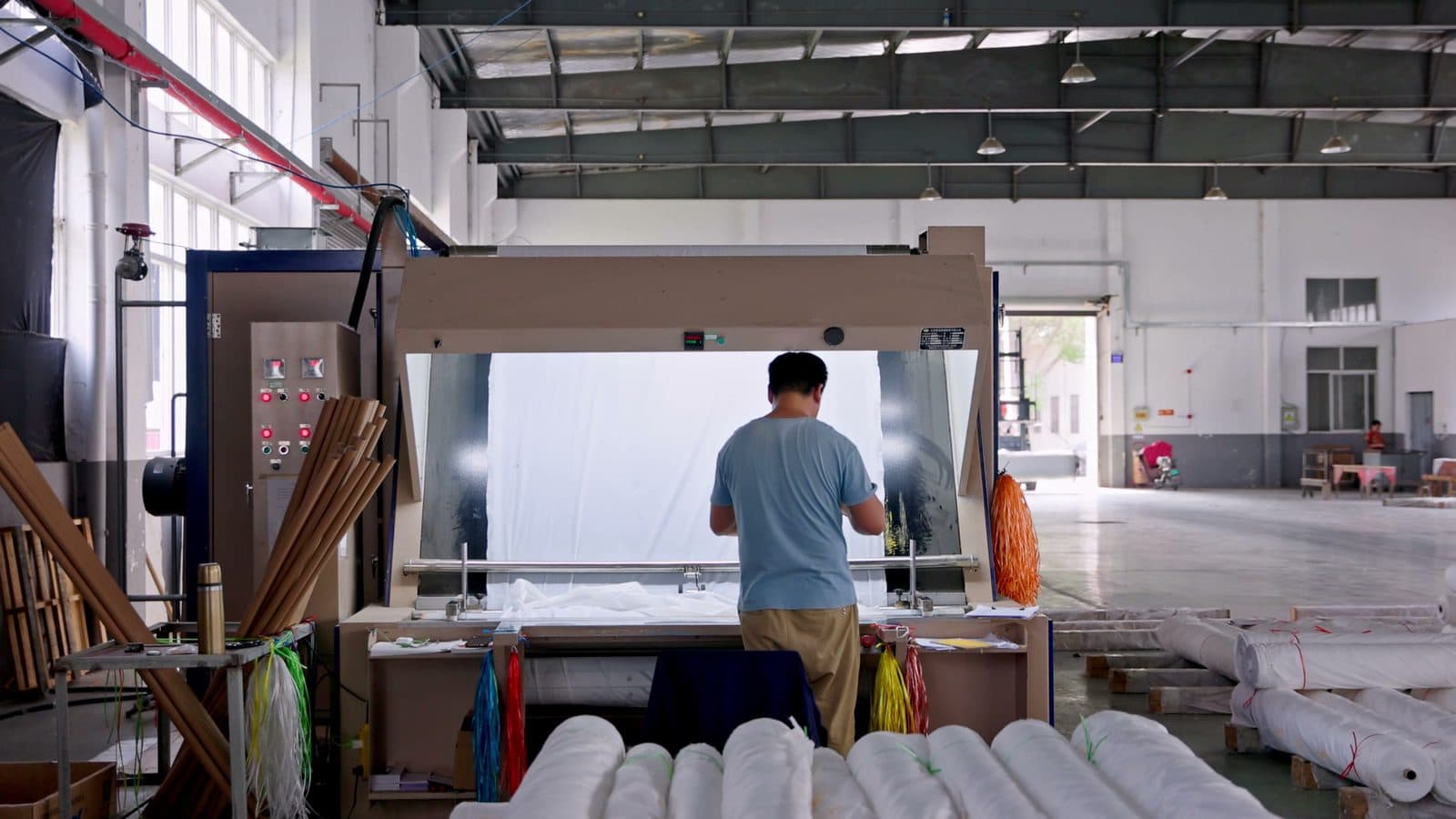
An inspector at a lit fabric inspection frame, with rolls of white fabric in front of it

Fabric inspection

Defects, points and a final points forecast

ConductVision Textile is designed to mark fabric defects in video of your inspection frame, count each roll's points and forecast whether the roll will end over your buyer's limit.

See fabric inspection

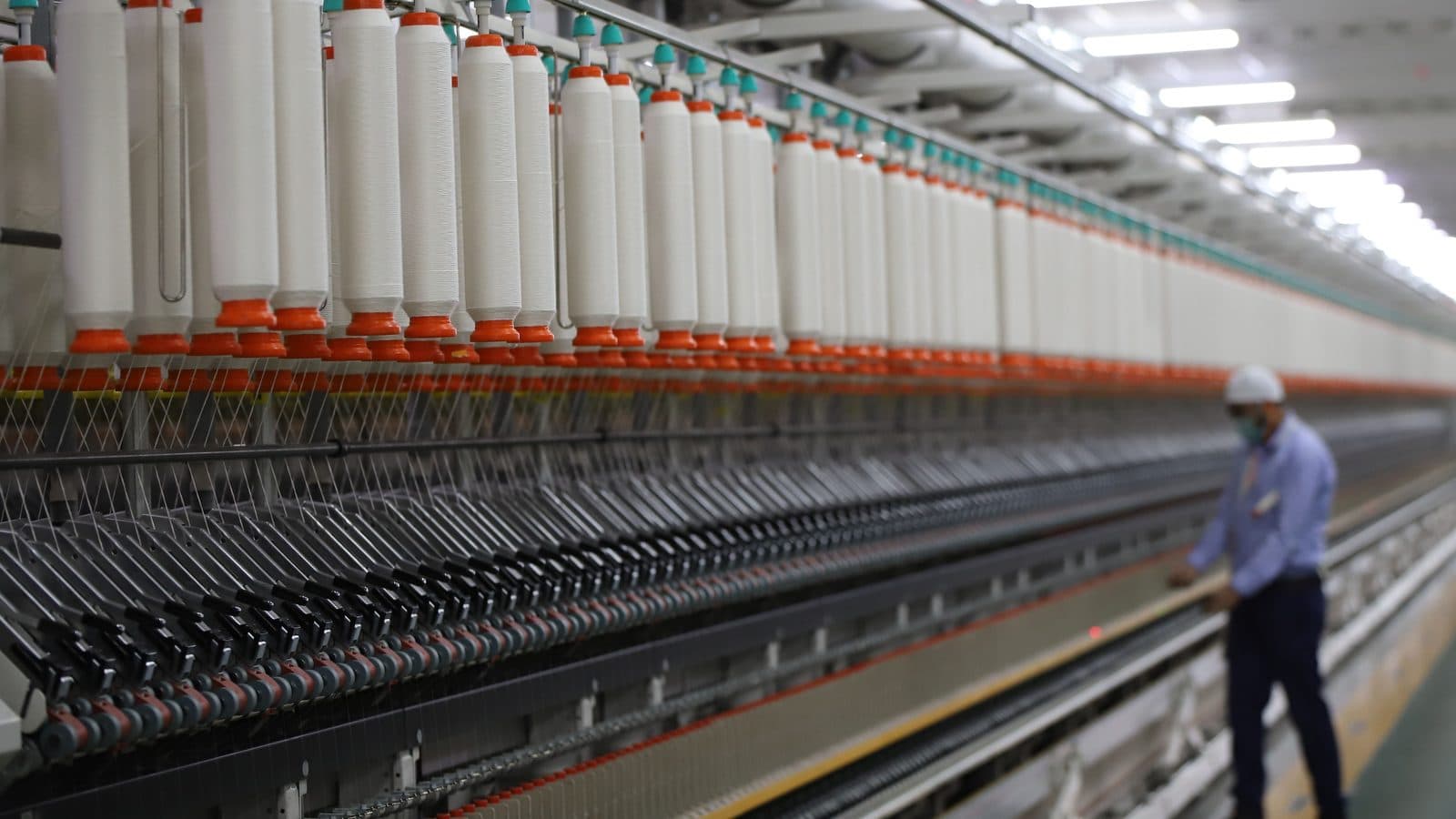
A long ring spinning frame with full bobbins, and a worker in a hard hat and face mask tending it

Mill floor safety

Machines, protective equipment, forklifts and exits

ConductVision Textile is designed to flag safety problems on the cameras already on your mill floor. Each one is saved with a clip, and a person on your team confirms, dismisses or escalates it.

See mill floor safety

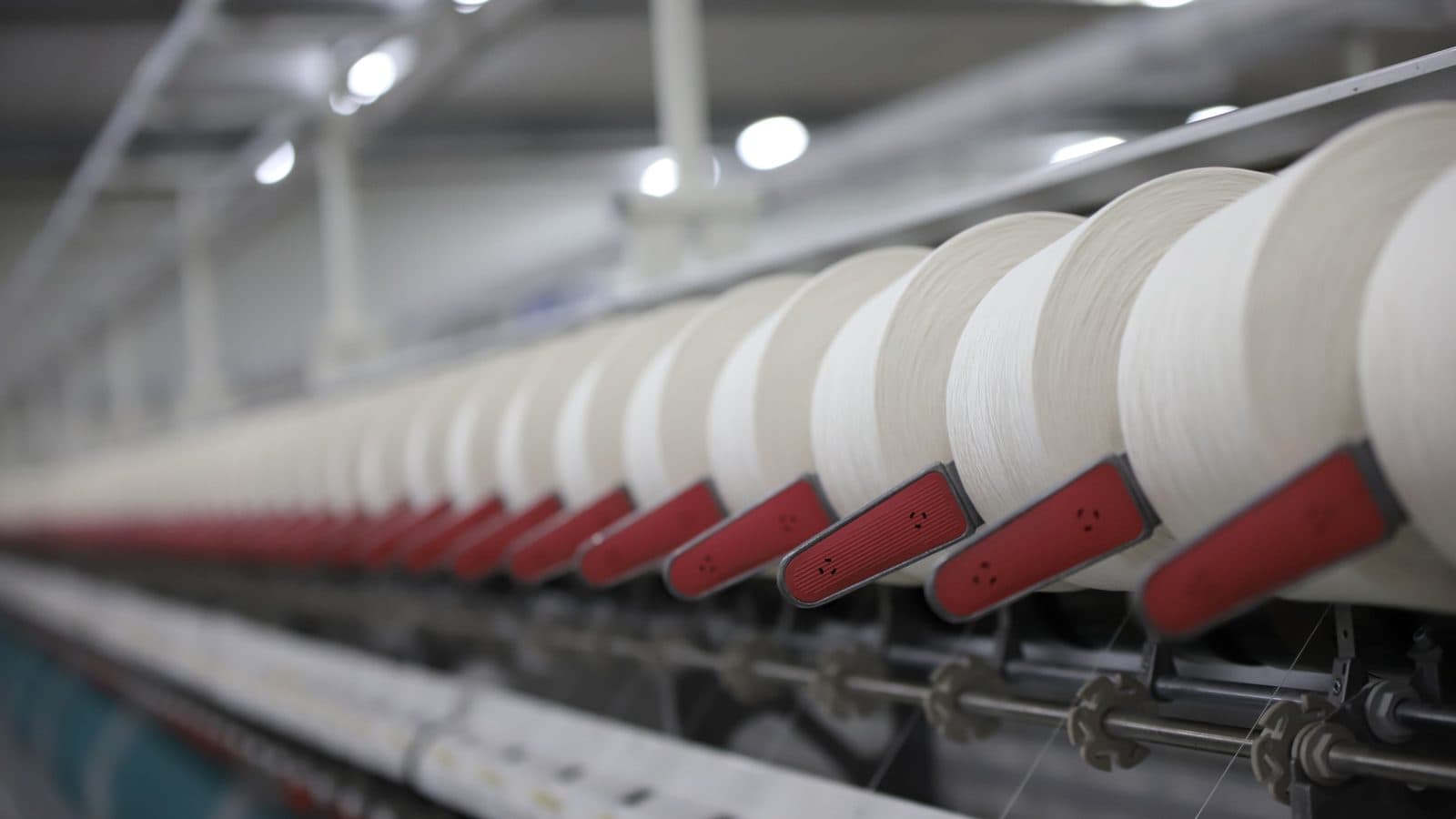
A row of full yarn packages on a spinning mill machine

Yarn and spinning

Cards, spinning frames and yarn stores

In spinning mills, ConductVision Textile is designed to flag hands in running machines, missing dust masks, lint build-up and people in forklift paths.

See yarn and spinning

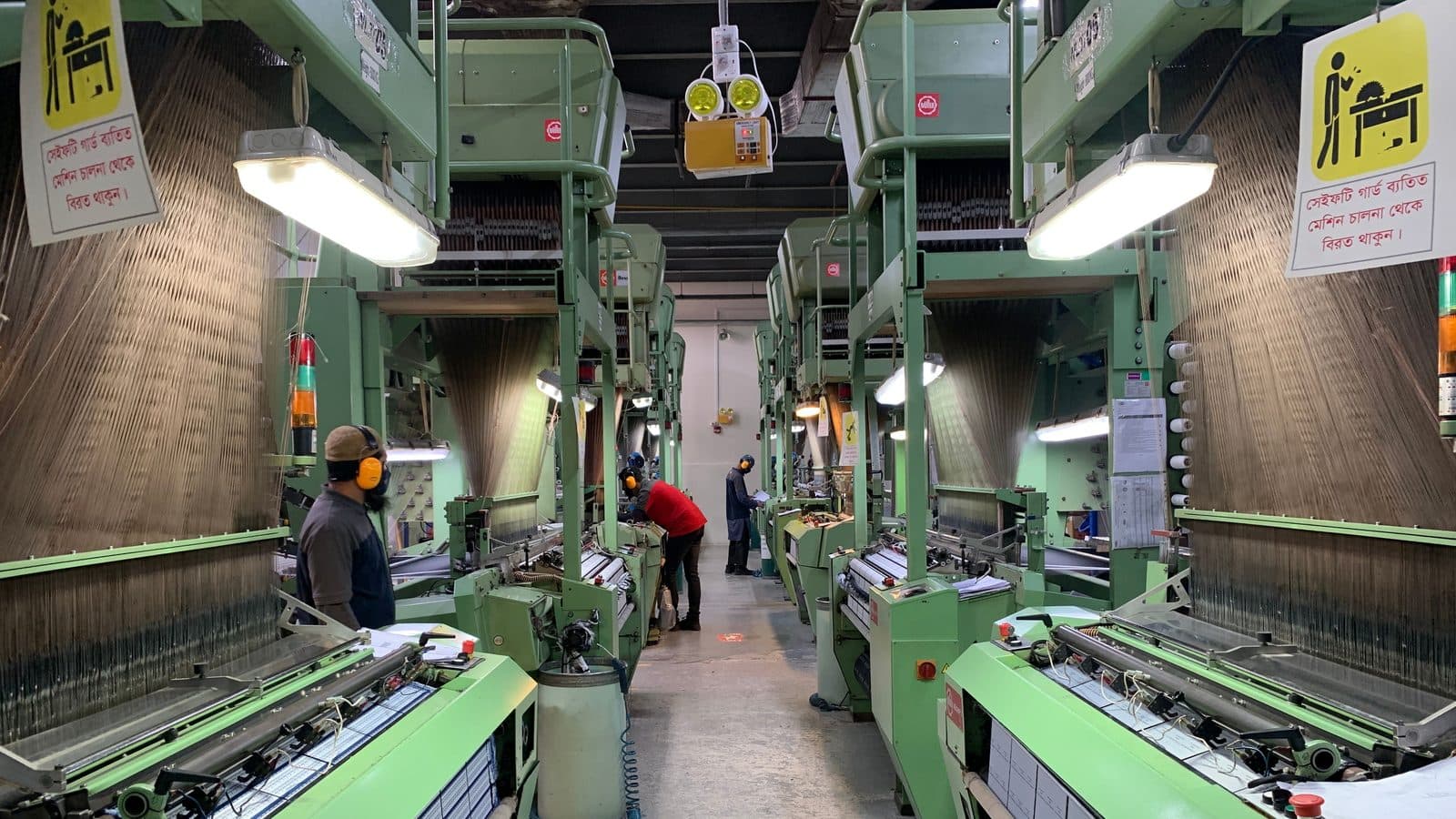
Rows of looms under posted safety signs, with weavers wearing ear muffs and face masks

Weaving and knitting

Looms, knitting machines and creels

ConductVision Textile is designed to flag hands inside running looms and knitting machines, guards left open, and missing ear muffs where your signs require them.

See weaving and knitting

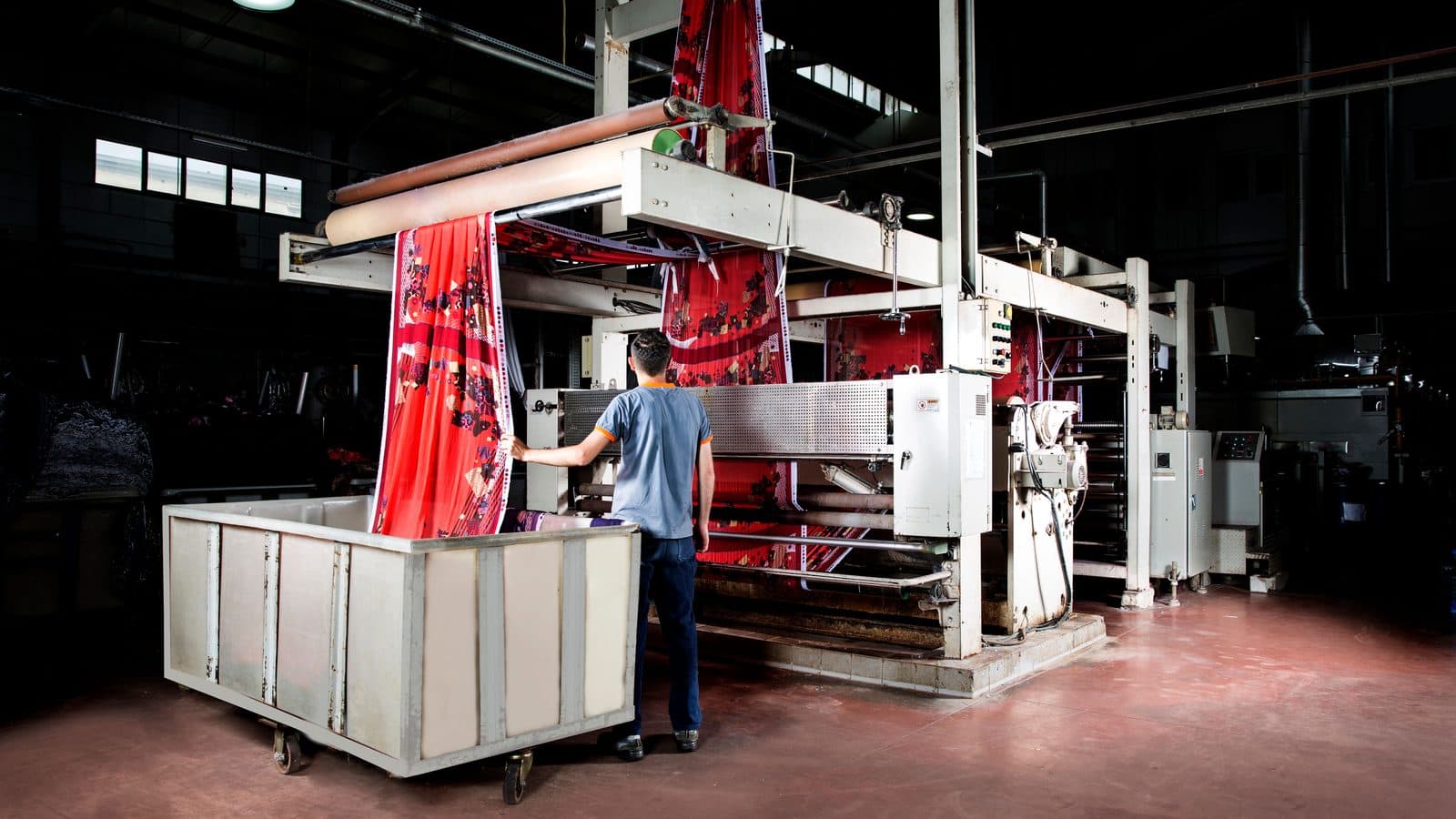
Printed fabric leaving a finishing range into a cart, with an operator beside it

Dyeing and finishing

Dye kitchens, chemical stores, ranges and dryers

ConductVision Textile is designed to flag missing eye protection and gloves during chemical handling, blocked eyewash stations, spills, and smoke at dryers and stenters.

See dyeing and finishing

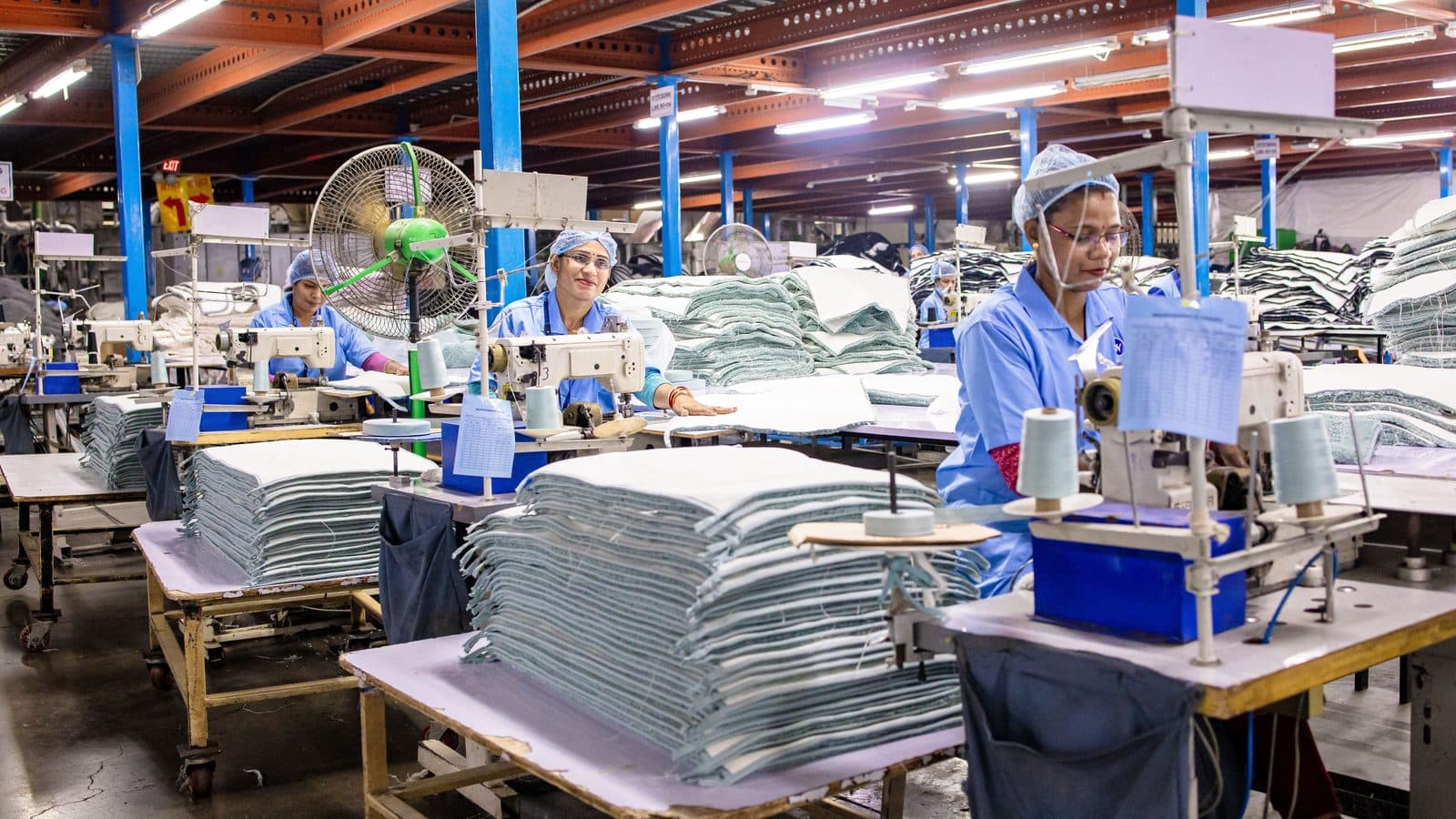
Sewing machine operators in blue uniforms and hair nets on a garment line, beside stacks of cut pieces

Garment making

Cutting tables, sewing lines and packing

ConductVision is designed to flag a hand at the hand wheel or belt of a running sewing machine, check labels and trims, compare garments with an approved sample, and count cartons at the end of the line.

See garment making

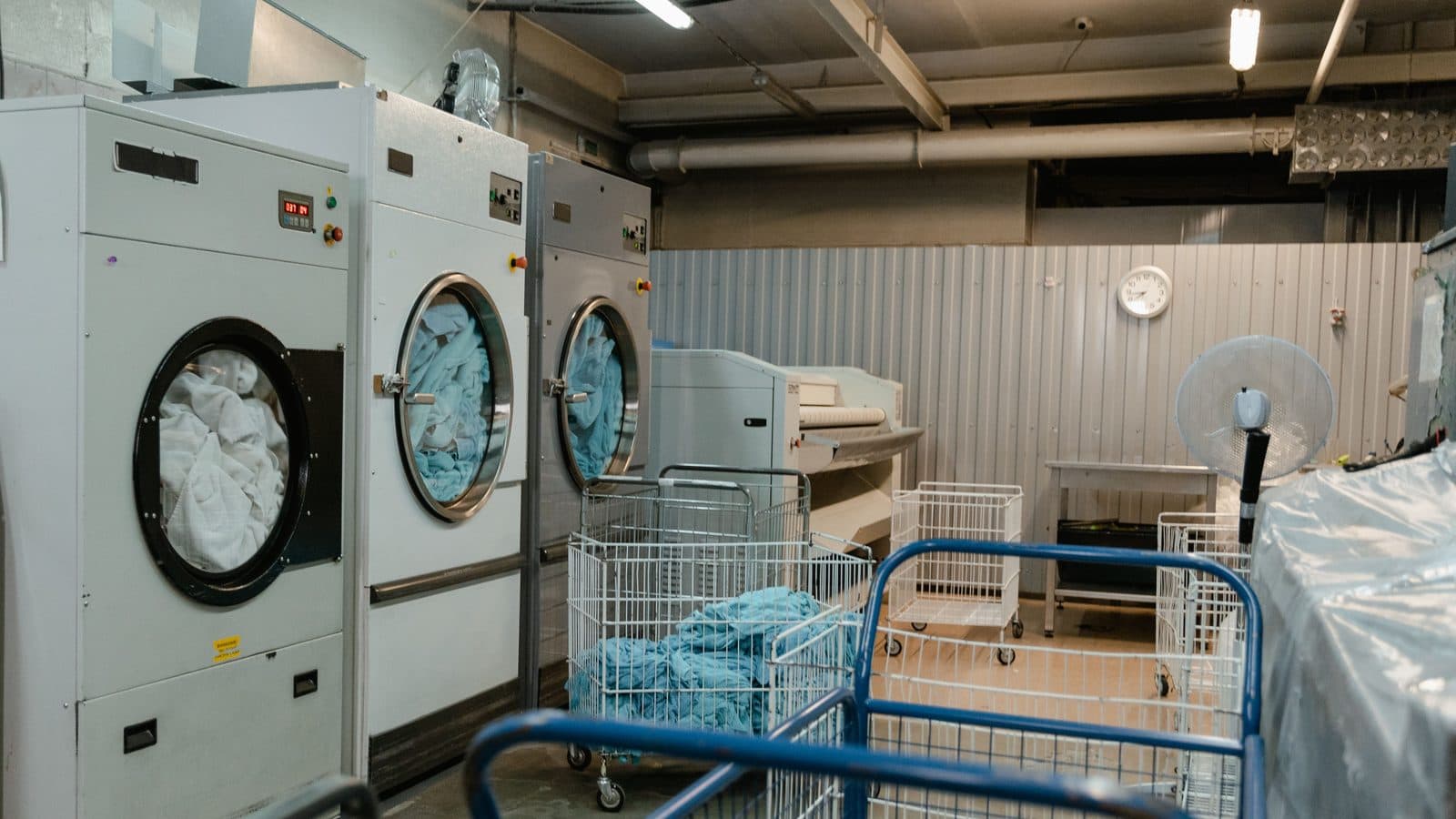
Industrial laundry machines, carts of linen and an ironer

Laundries and linen services

Washers, dryers, ironers and sorting

ConductVision is designed to flag hands in running ironers and folders, missing gloves at soiled linen sorting, people in forklift paths and smoke at dryers. It can also flag finished linen with visible stains or tears.

See laundries and linen services

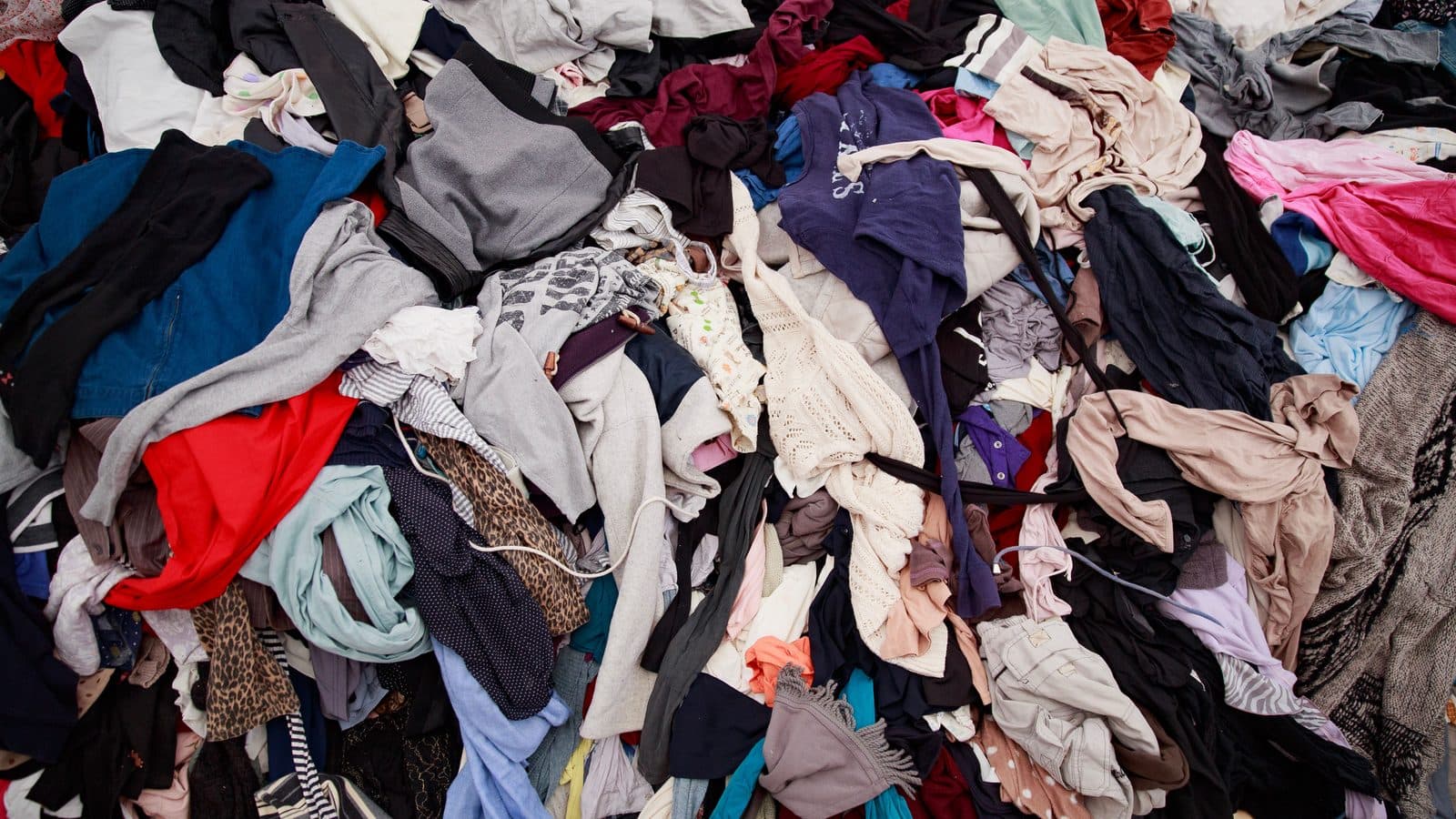
A pile of used clothing waiting to be sorted

Sorting and recycling

Sorting lines, balers and bale stores

ConductVision is designed to flag hands in running balers and conveyors, missing protective equipment at sorting stations, people in forklift paths and smoke in bale stores. It can also count finished bales and read their labels.

See sorting and recycling

Patent pending

ConductVision Textile

Our product for textile mills has two jobs. In video of your inspection frame it can mark fabric defects, count each roll's points and forecast its final points. On the mill floor it can flag safety problems for your team to review. Records and clips stay on your network.

Lab tests on fiber and fabric samples

ConductVision can also grade pilling and measure fiber diameter from images of lab samples. Those tests are on conductscience.com.

See lab testing

Pilot - How a pilot starts

We start with video you already have and agree with your team on one thing to test, such as one fabric on one inspection frame, or one hazard in one area of the floor.

Contact us

Tell us which cameras you have and what you want them to watch for.

See a sample pilot report

  • Headquarters
    ConductScience Inc.
    5250 Old Orchard Rd Suite 300
    Skokie, IL 60077
    +1 (847) 983-3672
  • Sales & Support
    info@conductscience.com
    Mon to Fri, 9 AM to 5 PM Eastern