
Smart city - Work zone safety
Your crews work beside live traffic. ConductVision is designed to flag vehicles entering a closed lane and people in the path of moving equipment on the cameras at your work zone, for your team to review.
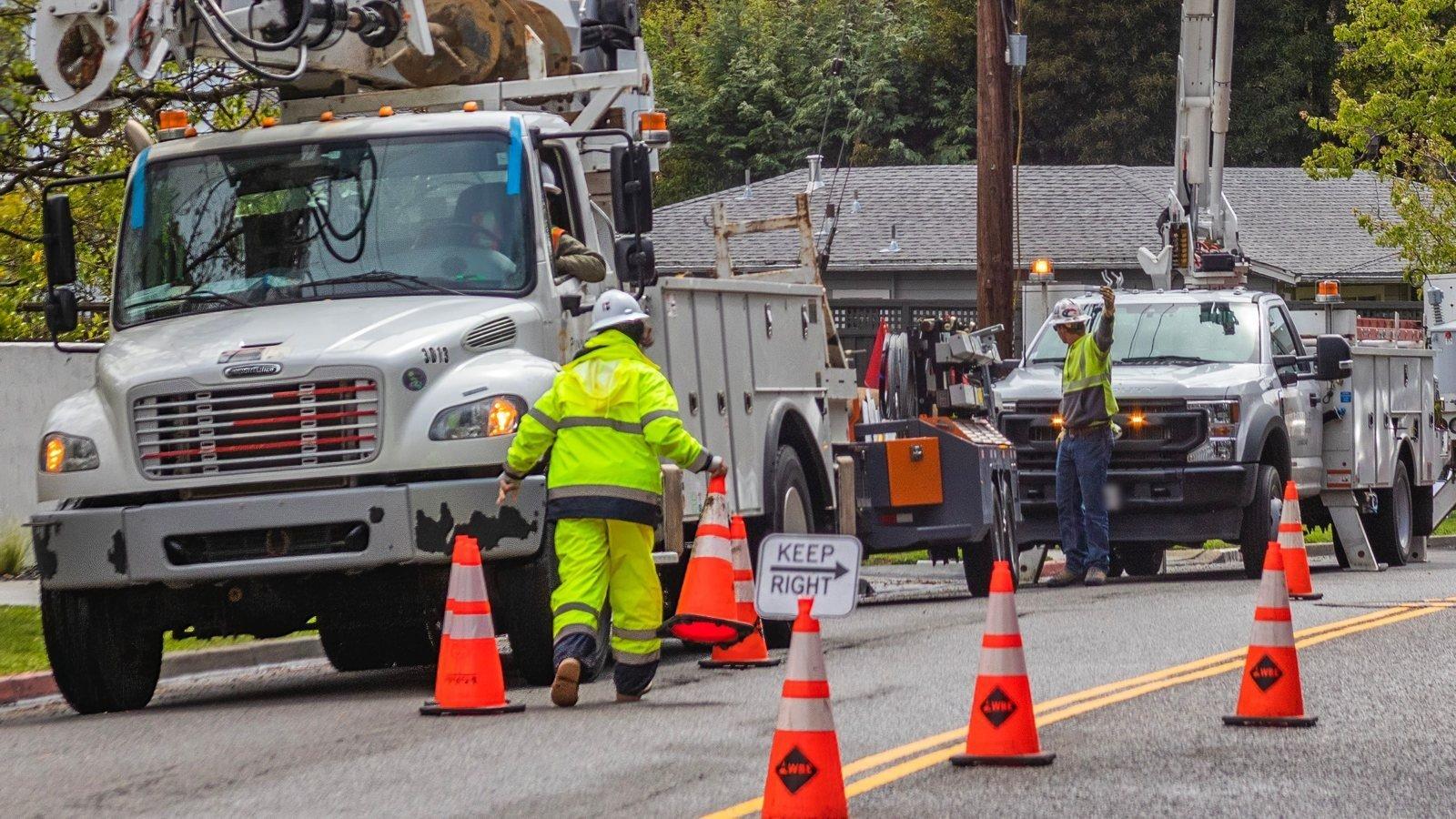
What it can flag
ConductVision is designed to flag these for your safety team to review, each with a short clip.
Work zone intrusions
Vehicles entering a closed lane or crossing the line of cones or barrels.
People in the path of equipment
People in the path of moving equipment inside the zone.
Vests and hard hats
People in the zone without a high-visibility vest or a hard hat.
Channelizing devices
Cones, drums or barrels knocked out of line.
How traffic moves through the zone
In a pilot, ConductVision can be set up to measure these.
Speeds
How fast vehicles enter the zone and move through it.
Queues
How far traffic backs up and how long the backup lasts.
Volumes
Vehicles through the zone, by hour.
What it does not do
ConductVision does not warn drivers or workers, and it does not replace your traffic control plan, your flaggers or your inspectors.
The federal rule on work zone data
The rule lists speeds, queue length and duration as operational information. Your agency decides whether measures from video fit its reviews.
States shall use field observations, available work zone crash data, available safety surrogate data, available operational information, and available exposure data to monitor and manage work zone impacts for specific projects during implementation and to perform its work zone programmatic reviews.
Pilot - How a pilot starts
A paid pilot covers one work zone. Your team sets the criteria before any results come in. You decide whether to roll out, change the scope or stop.
- You bring
- Recorded video from the cameras at one work zone, and your traffic control plan. A first look at your footage shows whether the camera views will work.
- We set up
- ConductVision for your camera views. A measure that is right at one camera may not be right at the next, so before results go out a ConductVision engineer measures a sample from each camera by hand to check them.
- You get
- Flagged clips and measures of how traffic moved through the zone, and a final report on whether the pilot met the criteria your team set.