
Smart city - Bicycle safety analysis
A bike count shows how many people ride. It does not show where vehicles pass close, turn across riders or block the lane. ConductVision can count riders, and in a pilot it can be set up to show those too.
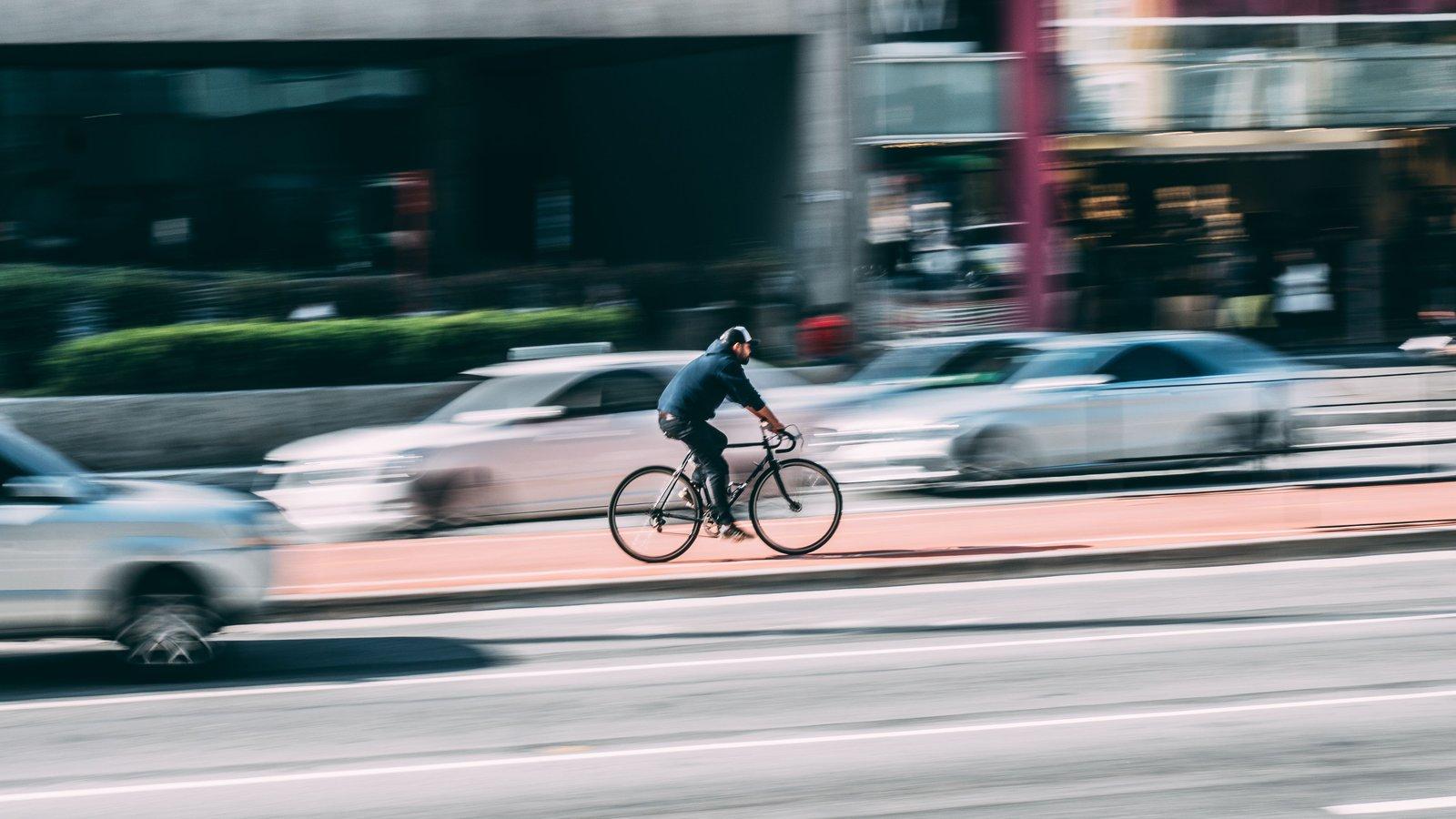
What a pilot can look at
In a pilot, ConductVision can count riders and can be set up to measure or flag the rest for your team to review.
Riders
Counts by hour and by direction.
Right hooks
Right-turning vehicles and riders going straight reaching the same point close together.
Close passes
Vehicles passing close to a rider.
Blocked bike lanes
Vehicles stopped in the bike lane, by block and by hour.
Riders on the sidewalk
Where riders leave the street for the sidewalk.
Before and after a new lane
Measure a street before a bike lane goes in, then measure it the same way afterward.
What it does not do
ConductVision does not warn drivers or people crossing, control signals or issue tickets.
Pilot - How a pilot starts
A paid pilot covers one intersection or one corridor. Your team sets the criteria before any results come in. You decide whether to roll out, change the scope or stop.
- You bring
- Recorded video from the cameras along one corridor or at one intersection. A first look at your footage shows whether the camera views will work.
- We set up
- ConductVision for your camera views. A measure that is right at one camera may not be right at the next, so before results go out a ConductVision engineer measures a sample from each camera by hand to check them.
- You get
- Rider counts and flagged clips, and a final report on whether the pilot met the criteria your team set.
Related pages
- Near miss analysisWhere road users nearly collide.
- Pedestrian safetyCrossings, yielding and where people actually cross.
- Curb managementWho uses the curb, when and for how long.
- Before and after studiesMeasure a street before and after a change.
- Sample street reviewWhat you get at the end of a street pilot.
- Privacy and public camerasWhat happens to street video.